Garden beds, cladding and the edge of a Rouse Hill house
How landscaping bridges termite protection and holds moisture against walls.




In short: The most common conducive condition we see is soil, mulch or plants built up against the house.
The edge of the house
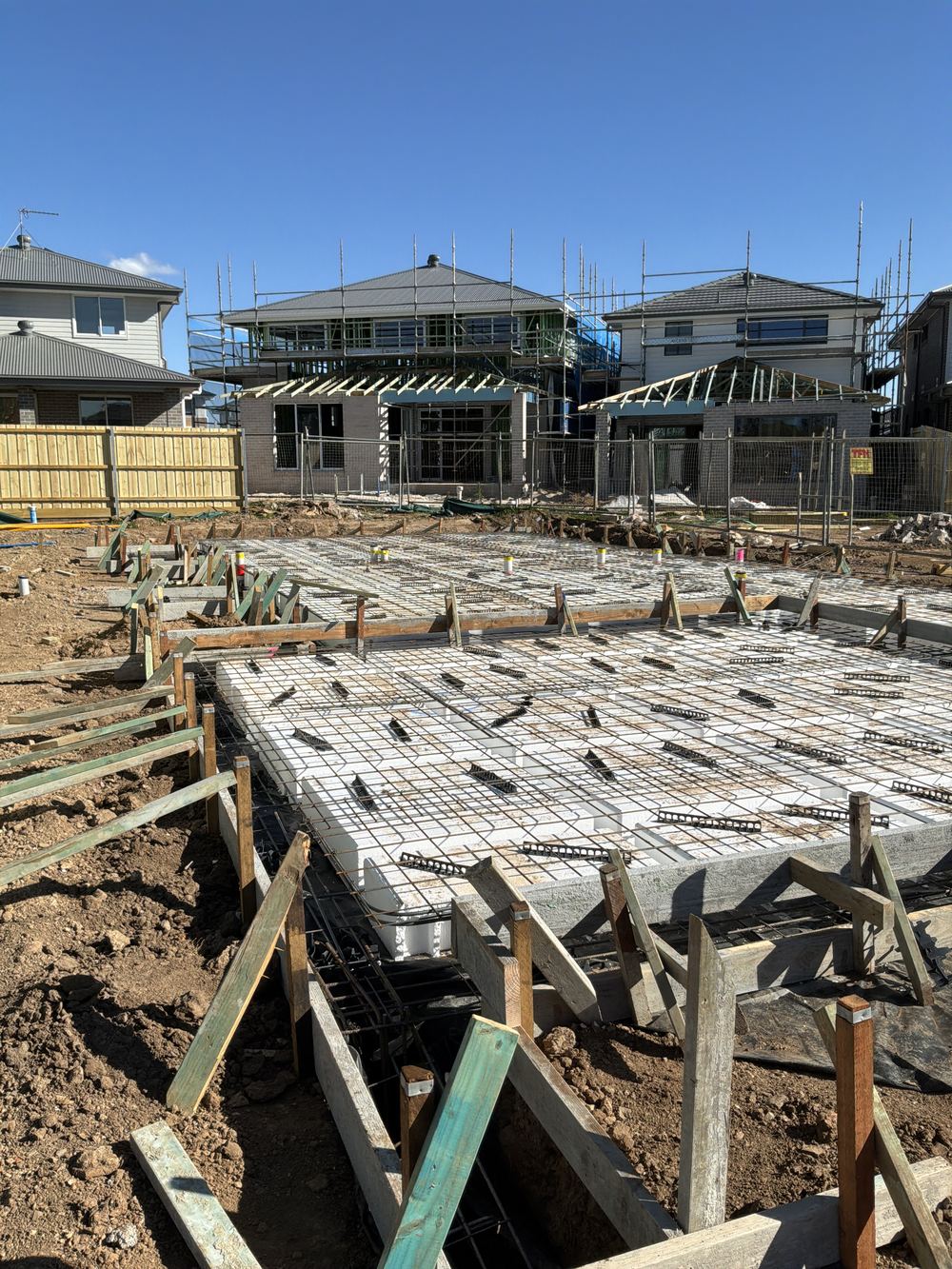
Termite protection depends on being able to see the edge of the building. Soil, mulch and paving built up to the walls hide it.
Cladding to soil
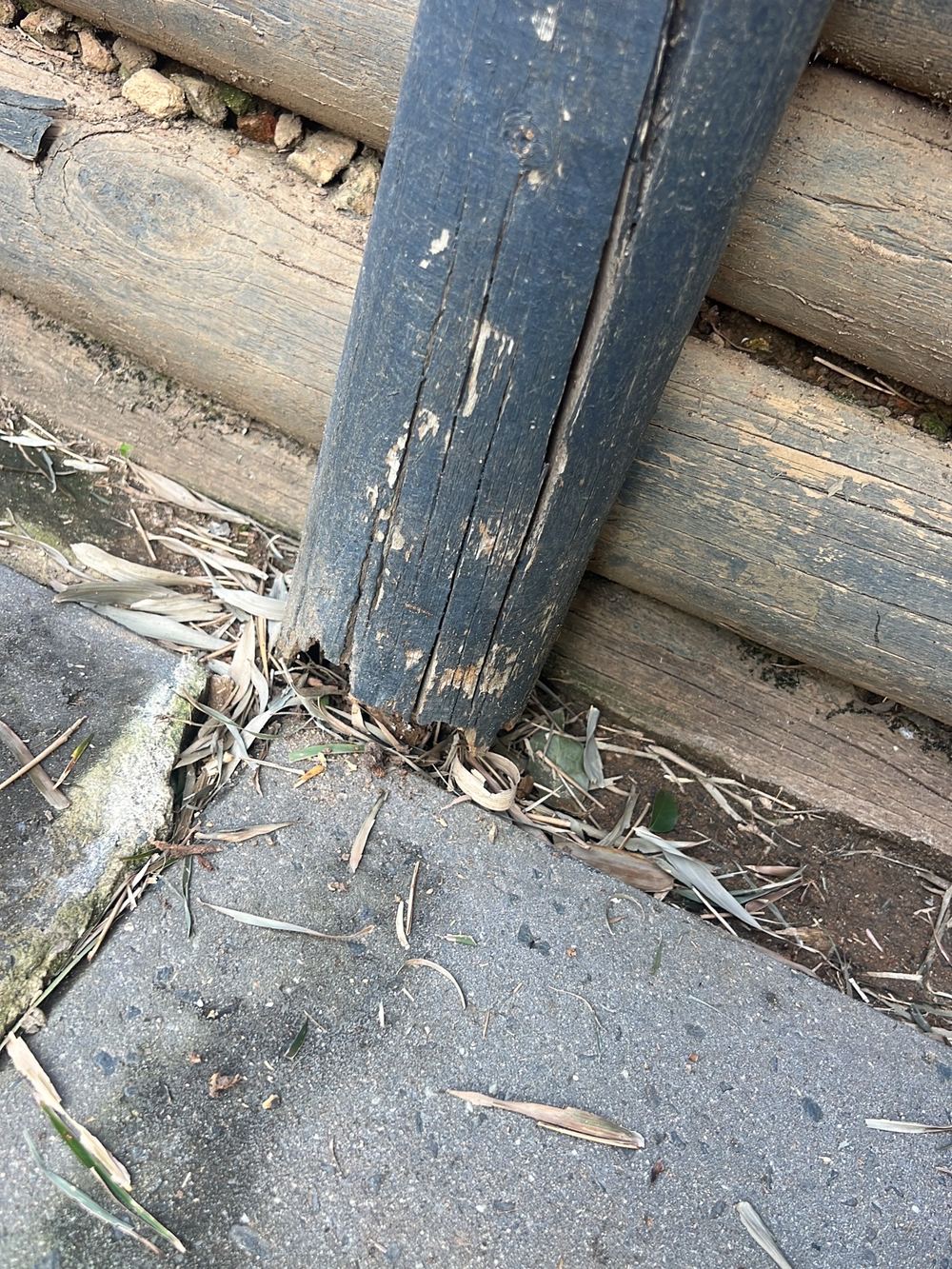
Cladding should finish at least 150mm above the ground. We recorded cladding taken close to the soil on a nearby building and pest inspection.
Plants on walls
Vegetation growing against cladding holds moisture and blocks inspection. It also helps termites cross unseen.
Weep holes
Weep holes too close to the ground let moisture and pests into the cavity.
Simple fixes
Lower the soil, pull mulch back, trim plants away from the wall and keep a clear strip where the slab edge can be seen.
Written by our local inspection team from work carried out in Rouse Hill. Licensed building practitioners, NSW Fair Trading licence 366177C.