Expansion joints and cracked brickwork in established Hills homes
Why long brick walls need movement joints, and what happens when they are missing or blocked.




In short: Brickwork grows and shrinks with temperature and moisture. Without joints to absorb that movement, it cracks.
Why joints exist
Clay bricks expand slowly over their life and move with temperature. Articulation and expansion joints give that movement somewhere to go.
Missing joints
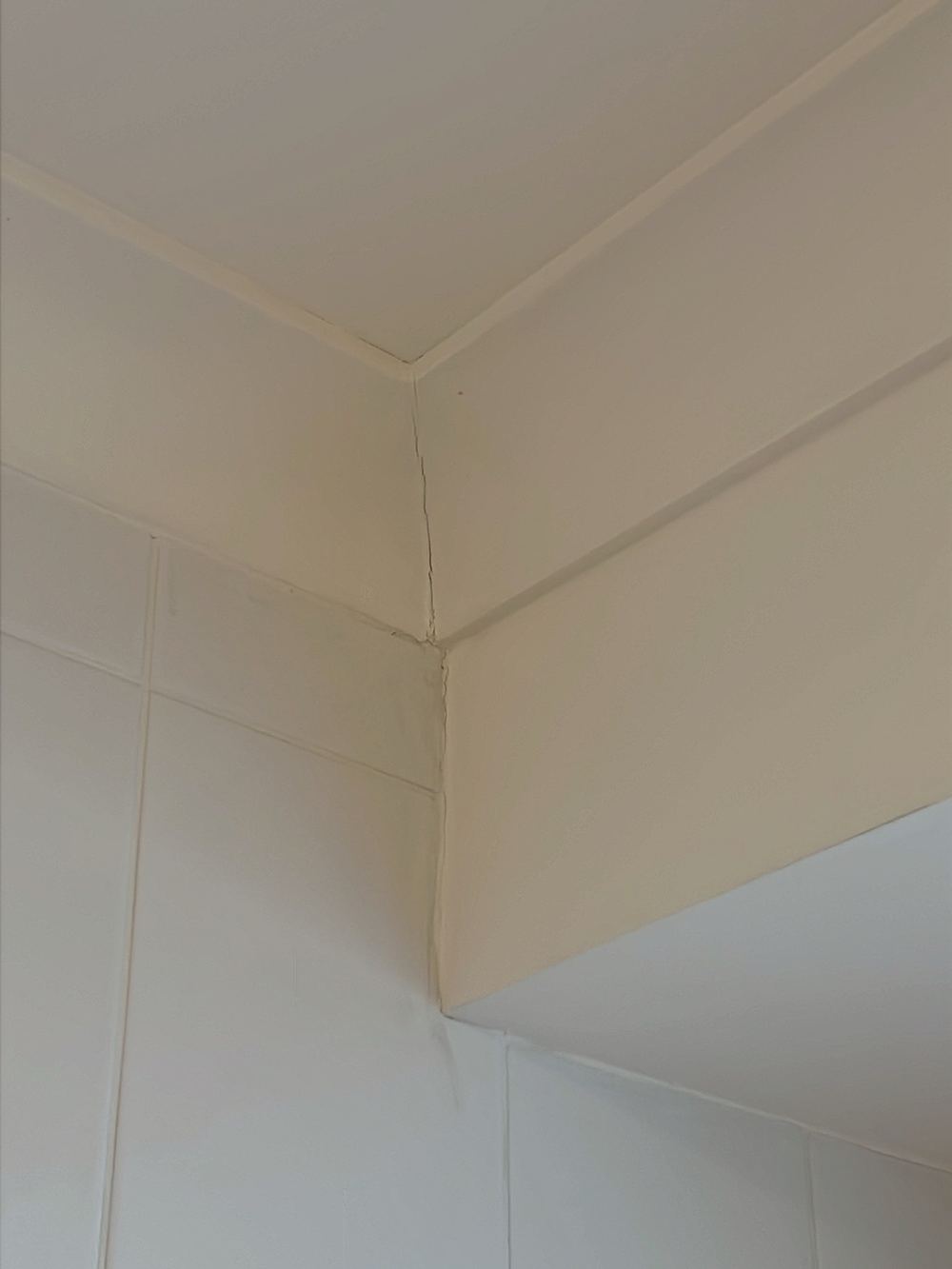
On a pre-purchase inspection nearby, a rear wall had been built with no expansion joint at all. Vertical cracking is the usual result.
Joints that do not work
A joint that is bridged by mortar or not continuous passes stress across it. We recorded exactly that on the same visit, with the wall cracked beside the joint.
Other brickwork items
Brick overhanging its support beyond the allowed limit and moderate cracking where too few control joints were provided also appear on older homes in the area.
What to do
Most of these need a bricklayer and a sealant, not a rebuild. Where cracks are wide or growing, the report recommends an engineer.
Written by our local inspection team from work carried out in Rouse Hill. Licensed building practitioners, NSW Fair Trading licence 366177C.